A 1500-calorie diet plan is not a joke and should be taken seriously. What i mean here? This article is not
This content is for informational purposes only. I’m not providing medical or nutritional advice. Diet needs vary by individual—consult a qualified professional before making changes
So you have to understand this, now let’s talk about 1500 calories diet plan.
Who it’s for:
Short-to-average height adults, mostly sedentary or lightly active, usually women. Also, men who are smaller-framed or aggressively cutting short-term.
Who should not do this:
Tall men. Highly active people. Anyone lifting hard 4–6 days a week. Anyone with a history of disordered eating. If you need coffee just to function and your workouts already feel like death, 1500 isn’t your number.
Realistic results:
Fat loss, yes. Rapid transformation, no. Expect 0.5–1 lb per week if you do it right. Anything faster usually means muscle loss, water loss, or rebound weight gain later.
If you’re expecting abs in 3 weeks, stop reading. This isn’t magic. It’s math plus compliance.
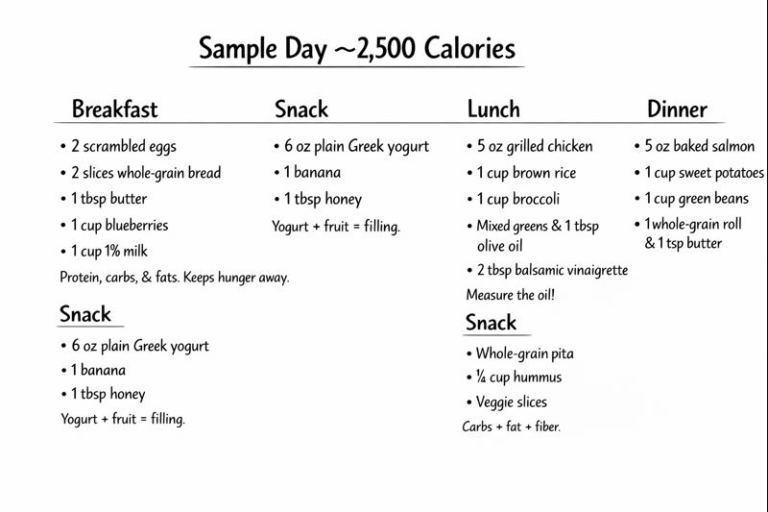
1. Sample 1500-Calorie Day (Realistic, Not Pinterest)
Breakfast (~350 kcal)
- Greek yogurt, berries, a scoop of whey
- High protein, low effort, zero crash
Lunch (~400 kcal)
- Chicken breast, potatoes, a big salad with measured olive oil
- Volume + satiety
Dinner (~450 kcal)
- Lean ground beef or fish, rice, and vegetables
- Carbs are what help with recovery
Snack (~300 kcal)
- Protein bar + fruit or cottage cheese
- Planned, not reactive
This is a sample diet plan that covers all the nutrients. But you don’t need to think about recipes; find amazing recipes on Snackward Recipes Database.
2. Macronutrient Breakdown That Actually Works
Protein: non-negotiable
Target 0.7–0.8g per lb of goal bodyweight. If you’re at 1500 calories and skimp on protein, you’ll lose muscle and feel miserable.
Why this matters: Protein preserves lean mass and controls hunger. This isn’t gym bro theory—this is backed by decades of research (see Examine.com’s protein deep dive):
Fat: don’t go stupidly low: Minimum 40–50g/day. Hormones, satiety, and brain function. Ignore this, and you’ll feel flat and irritable.
Carbs: flexible, not evil: Fill the rest with carbs. Adjust based on training days vs rest days.
Example split:
- Protein: 120–140g
- Fat: 45–55g
- Carbs: whatever fits after
3. Foods That Make 1500 Calories Livable
Now let’s see some good food items which are high in volume and low-calorie. That helps you feel full all day without binge eating.
High-volume, low-calorie winners
- Potatoes (yes, really)
- Oats
- Berries
- Vegetables you actually chew
Protein that keeps you full
- Chicken breast, turkey
- Eggs + egg whites
- Greek yogurt
Whey protein (boring but effective)
- Fats worth keeping
- Olive oil (measure it)
- Avocado (small portions)
- Fatty fish
Calories that vanish fast (limit these)
- Nuts
- Cheese
- Oils poured “by feel.”
- Liquid calories (smoothies count as drinks, not meals)
4. What 1500 Calories Really Means (Most People Screw This Up)
Don’t think this diet is a universal diet and can work the same for everyone. It’s a context-dependent deficit.
Your maintenance calories depend on:
- Height
- Weight
- Muscle mass
- Activity level
- Sex
- Genetics (yes, they matter, just not as much as people want)
A 5’2” woman who walks 6k steps/day? 1500 might be fine.
A 6’0” guy lifting 5x/week? 1500 is starvation cosplay.
This is why copying meal plans fails. Calories aren’t moral. They’re situational.
If you want the science, the NIH body weight planner explains this better than most influencers ever will:
5. Expected Results (Honest Numbers)
Here’s what actually happens when 1500 is appropriate:
- Week 1–2: Scale drops fast. Mostly water + glycogen. Don’t get cocky.
- Week 3–6: Real fat loss. Clothes fit better. Strength might dip slightly.
- After that, Plateaus show up if you don’t adjust protein, steps, or training.
If weight stalls for 2+ weeks:
- You’re miscounting (most common)
- You stopped moving subconsciously
- Your body adapted and needs a break or adjustment
No, starvation mode isn’t the issue. Adaptive thermogenesis is. Different thing.
Final Thoughts
A 1500-calorie diet works when it fits the person and when protein, training, and expectations are handled properly.
If you want recipes, you can try the Snackward Recipes database for recipe ideas.