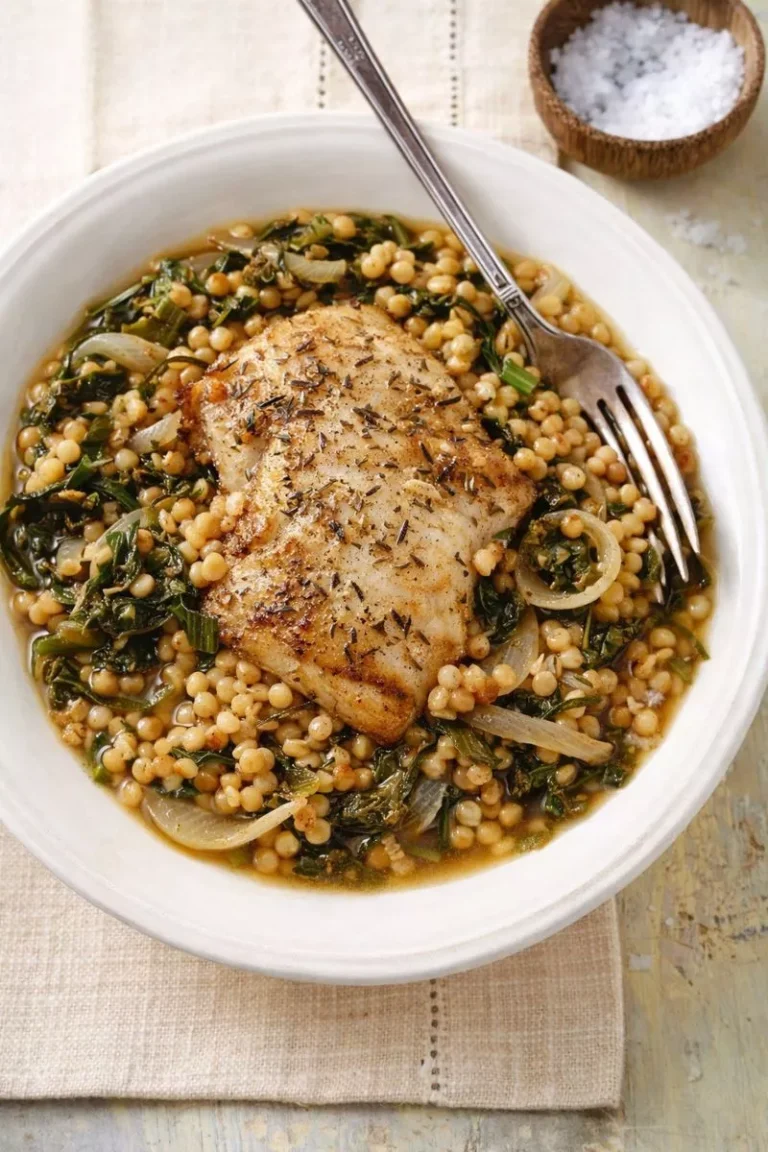
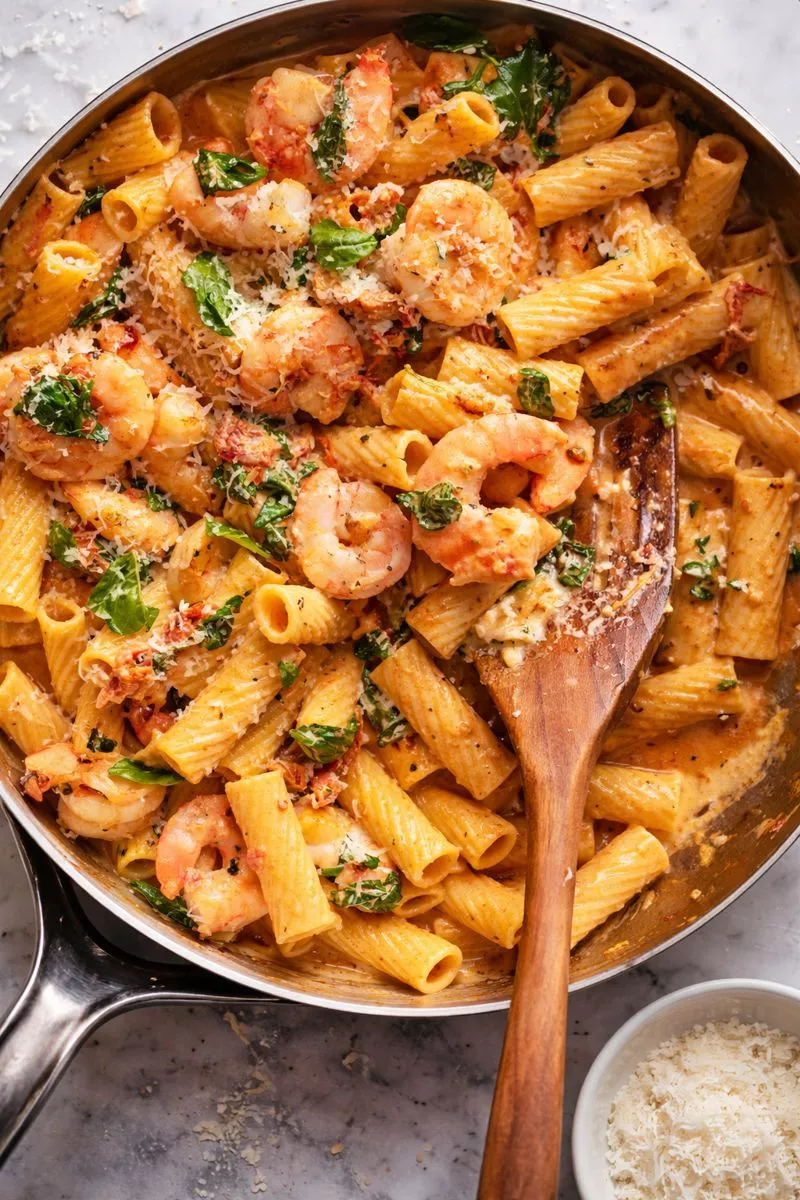
Do you want to lose weight and need a sample 7-day meal plan for 2000 calories? I have a lot of high-protein recipes during my cut and while gaining weight.
But before starting, read this:
This content is for informational purposes only. I’m not providing medical or nutritional advice. Diet needs vary by individual—consult a qualified professional before making changes
You’re getting ~2000 calories per day, ~150–200g of protein, and meals you can actually repeat without hating your life.
No superfoods. No “clean eating” nonsense. Just food that does the job.
The Actual 7-Day High-Protein Meal Plan
Here you’ll see the real 7-day plan for high protein diet in 2000 calories. Remember, you don’t have to keep all recipes the same; every meal plan focuses on a pattern.
Replace what you want, but when you know what protein is good and not effective. You’ll not have any issues.
Day 1
- Breakfast: 3-egg veggie omelet + low-fat Greek yogurt
- Snack: Whey protein shake + half banana
- Lunch: Grilled chicken salad with quinoa and olive oil
- Snack: Cottage cheese + cucumber
- Dinner: Salmon, roasted broccoli, small sweet potato
Why this day works:
High protein early. Fats pushed later. Hunger stays flat.
Day 2
- Breakfast: Greek yogurt parfait with oats and berries
- Snack: 2 hard-boiled eggs + carrots
- Lunch: Turkey chili with beans
- Snack: Protein bar (not candy pretending to be one)
- Dinner: Shrimp stir-fry with brown rice
Where people mess this up:
They skip the snack, crash, then overeat at dinner.
Day 3
- Breakfast: Egg scramble + whole-grain toast
- Snack: Cottage cheese + fruit
- Lunch: Chicken salad with feta
- Snack: Jerky
- Dinner: Lean beef stir-fry + wild rice
Trade-off
Higher fat day. Fine if calories stay controlled.
Day 4
- Breakfast: Protein overnight oats
- Snack: Greek yogurt
- Lunch: Tuna (or chickpea) salad with crackers
- Snack: Hummus + fruit
- Dinner: Pork chop + green beans + cauliflower mash
Edge case:
If you hate tuna, don’t force it. Swap chicken. The protein matters, not the fish.
Day 5
- Breakfast: Egg white frittata + turkey bacon + avocado
- Snack: Protein shake + pear
- Lunch: Chicken wrap with greens and cheese
- Snack: String cheese + almonds
- Dinner: Cod + Brussels sprouts + quinoa
This is a hunger-proof day.
Lower carbs, higher fats. Good for rest days.
Day 6
- Breakfast: Greek yogurt + granola + berries
- Snack: Cottage cheese
- Lunch: Lentil soup + grilled chicken
- Snack: Eggs + apple
- Dinner: Turkey meatballs + spaghetti squash
Why this works long-term:
Feels like “normal food,” not diet food.
Day 7
- Breakfast: Eggs + egg whites + toast
- Snack: Protein smoothie
- Lunch: Chicken Caesar salad (light dressing, don’t be dramatic)
- Snack: Cottage cheese + pineapple
- Dinner: Salmon + asparagus + brown rice
This is the “Sunday reset” day.
Simple. Familiar. Easy to repeat next week.
The Grocery List (Shortened to What Matters)
If your grocery list is complicated, your diet won’t last.
Proteins
- Chicken breast
- Lean turkey or beef
- Eggs/egg whites
- Greek yogurt
- Cottage cheese
- Fish (salmon, cod)
- Protein powder
Carbs
- Oats
- Rice
- Quinoa
- Potatoes
- Fruit
Fats
- Olive oil
- Nuts
- Avocado
Vegetables
Buy whatever you’ll actually eat
Frozen is fine. Better, sometimes.
Why High Protein Works (When It’s Done Right)
Now, something worth talking about instead of meal plans.
It preserves muscle in a calorie deficit.
Cutting calories without enough protein, you’ll not only lose fat, but you also lose lean muscle. That’s why you look skinny but soft, not lean.
Consistently hitting ~0.7–1.0g of protein per pound of goal bodyweight is one of the most reliable ways to avoid that. The evidence here is boringly consistent, which is exactly what you want
It controls appetite better than any macro trick.
Protein is filling. Not emotionally filling — physically. You stay full longer, cravings drop, and decisions get easier.
It slightly increases energy expenditure.
Yes, protein has a higher thermic effect. No, it’s not a fat-loss hack. Treat it as a bonus, not a strategy.
If you want the research behind this without influencer noise, the International Society of Sports Nutrition has a solid position statement that clearly lays it out. You can read the full article here.
The Rule Most Plans Ignore: Protein Distribution
Daily protein totals matter — but how you spread them matters more than people think.
Dumping 120g of protein into dinner doesn’t undo a low-protein morning.
A better approach:
- 3 main meals with ~30–50g protein each
- 1–2 snacks, adding another 10–25g
This keeps energy stable, hunger predictable, and adherence high. It’s also far easier to maintain than relying on one massive meal to “save the day.”
FAQs
Can you build muscle on 2000 calories a day?
Yes, but it depends a lot on where you start. If you are a beginner, never did strength training or returing a long break. If you’re lean and experienced, 2000 calories will maintain muscle, not build much new size.
How can you fit 200g of protein into a 2000-calorie diet?
By relying on lean protein and limiting fats. Foods like chicken breast, egg whites, nonfat Greek yogurt, fish, and whey make it possible. Calorie-dense fats (oils, nuts, cheese) are what usually prevent people from hitting this target.
Can you get 150–200g of protein on a 2000-calorie Indian diet?
Yes, but not with a traditional high-carb plate. Eggs, low-fat curd, paneer in moderation, soy/tofu, and whey are usually required. Dal and roti alone won’t get you there without overshooting calories.
Is a 2000-calorie high-protein diet better for fat loss or muscle gain?
Fat loss and muscle retention. It supports strength and preserves lean mass, but significant muscle growth usually requires more calories unless you’re new to training.