
High Protein Diet for Muscle Gain: NO BS
This content is for informational purposes only. I’m not providing medical or nutritional advice. Diet needs vary by individual—consult a qualified professional before making changes
You have to understand that Protein is not a magic. It helps.
If you are in a hurry, read this.
- If you’re not in a calorie surplus, muscle gain will be slow or nonexistent.
- If you’re not progressively overloading in the gym, extra protein mostly turns into expensive calories.
- If your meals are random, inconsistent, and reactive, no macro split will save you.
This guide covers:
- How much protein you actually need (not bro-science numbers)
- How to distribute it without obsessing
- Foods that pull their weight vs foods people lie to themselves about
- Simple daily templates that work in the real world
- Where most people screw this up
This guide is for beginners who want to gain muscle but are still nowhere.
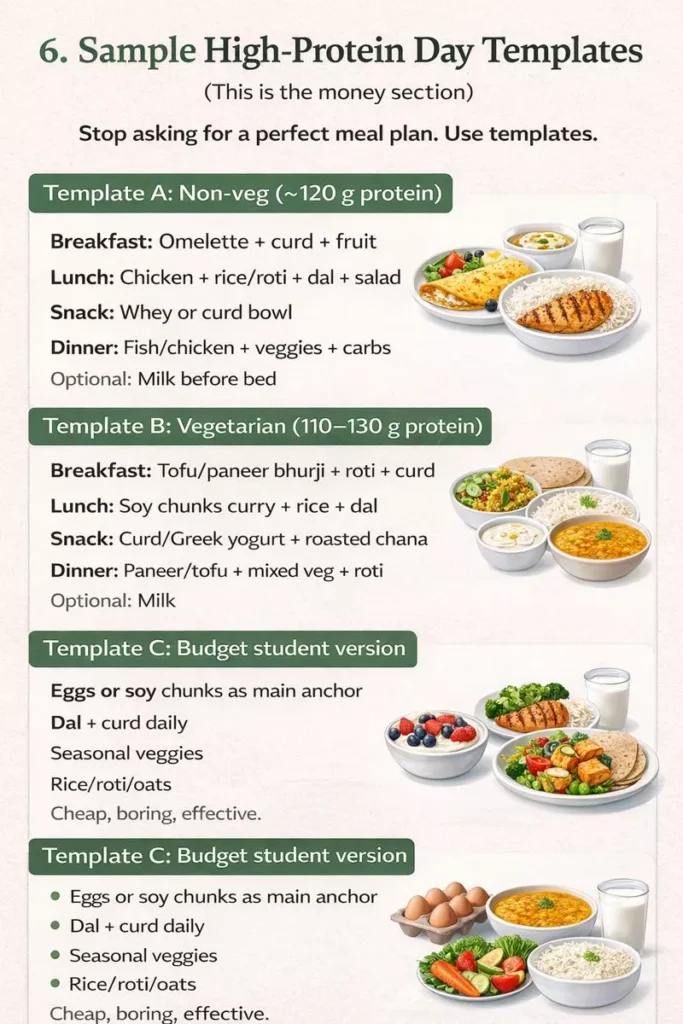
1. Sample high-protein day templates (this is the money section)
Stop asking for a perfect meal plan. Use templates.
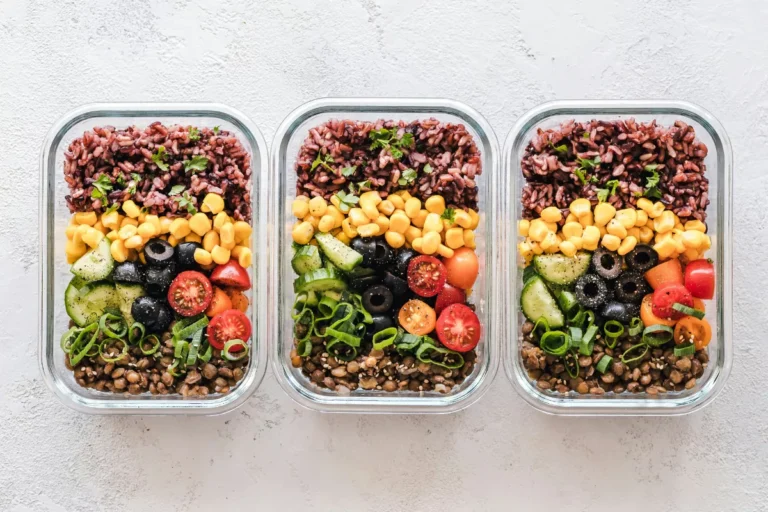
Template A: Non-veg (~120 g protein)
- Breakfast: Omelette + curd + fruit
- Lunch: Chicken + rice/roti + dal + salad
- Snack: Whey or curd bowl
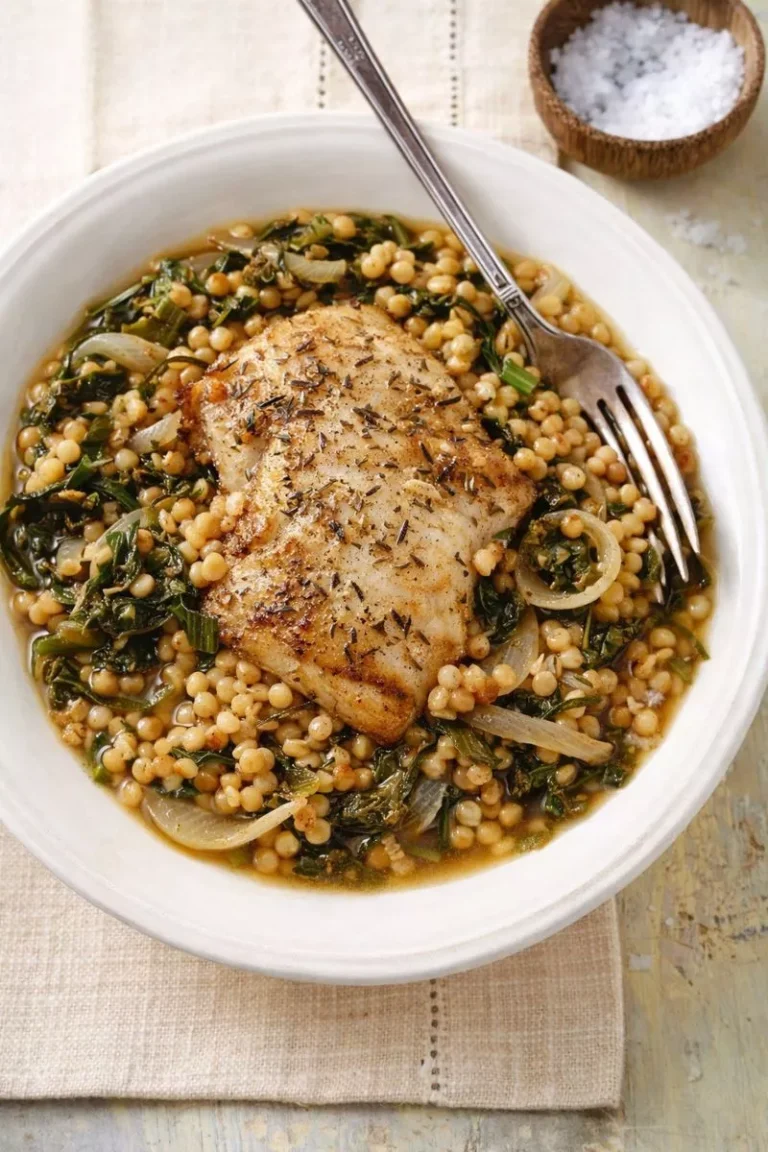
- Dinner: Fish/chicken + veggies + carbs
- Optional: Milk before bed
Template B: Vegetarian (110–130 g protein)
- Breakfast: Tofu/paneer bhurji + roti + curd
- Lunch: Soy chunks curry + rice + dal
- Snack: Curd/Greek yogurt + roasted chana
- Dinner: Paneer/tofu + mixed veg + roti
- Optional: Milk
Template C: Budget student version
- Eggs or soy chunks as the main anchor
- Dal + curd daily
- Seasonal veggies
- Rice/roti/oats
Cheap, boring, effective.
2. The science in 2 minutes (no PhD required)
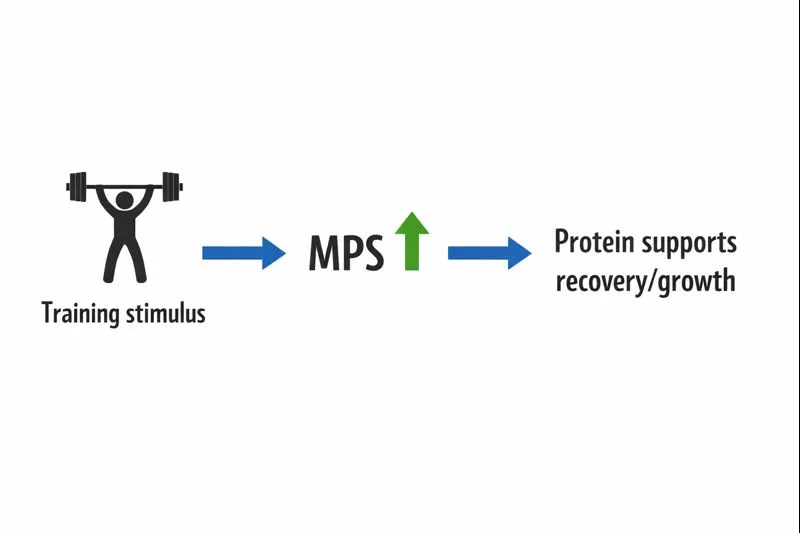
Muscle grows when muscle protein synthesis (MPS) exceeds muscle breakdown.
This part is usually what people miss:
- Training is the trigger.
- Protein is the raw material.
Lifting weights sends the signal: “We need more muscle.”
Protein supplies the amino acids to actually build it.
No training = no signal.
No protein = signal goes nowhere.
Timing? Overrated. Consistency wins.
If you lift regularly and hit your protein most days, you’re already doing 90% of what matters.
Key takeaways: If you lift hard + eat enough protein daily. Rest, all the things are just optimization and not a foundation.
3. How much protein you actually need (with a calculator)
3.1 Baseline vs muscle-gain range
The general population recommendation (~0.8 g/kg/day) is for survival, not growth.
If you train hard, that number is irrelevant.
What actually works for lifters:
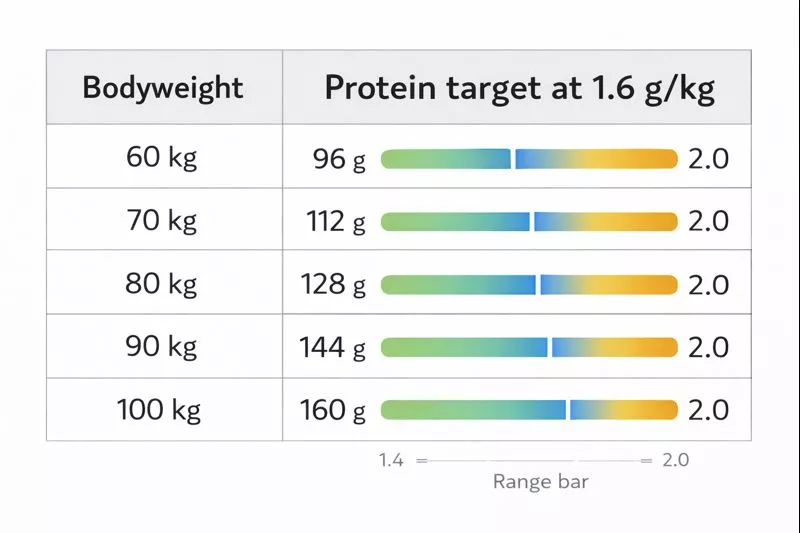
- 1.4–2.0 g/kg/day covers almost everyone
- Sweet spot for most people: ~1.6 g/kg/day
This isn’t controversial. It’s based on decades of sports nutrition data, summarized effectively by organizations such as the International Society of Sports Nutrition (ISSN). This matters because they publish position stands based on accumulated evidence, not influencer opinions.
3.2 Simple calculator (use this and move on)
Protein/day (g) = bodyweight (kg) × 1.6
Examples:
- 60 kg → 96 g/day
- 75 kg → 120 g/day
- 90 kg → 144 g/day
If you want a range, think 1.4–2.0 g/kg, but don’t overthink it.
3.3 Cutting vs bulking (brief and practical)
- Bulking: 1.6 g/kg is fine.
- Cutting: Protein often needs to be higher to preserve muscle because calories are lower.
That’s it. Don’t turn this into math homework.
Protein per meal: distribution that doesn’t suck
Most people eat:
- Low protein breakfast
- Random lunch
- Panic protein at dinner
That’s suboptimal, not fatal—but easy to fix.
Practical rule:
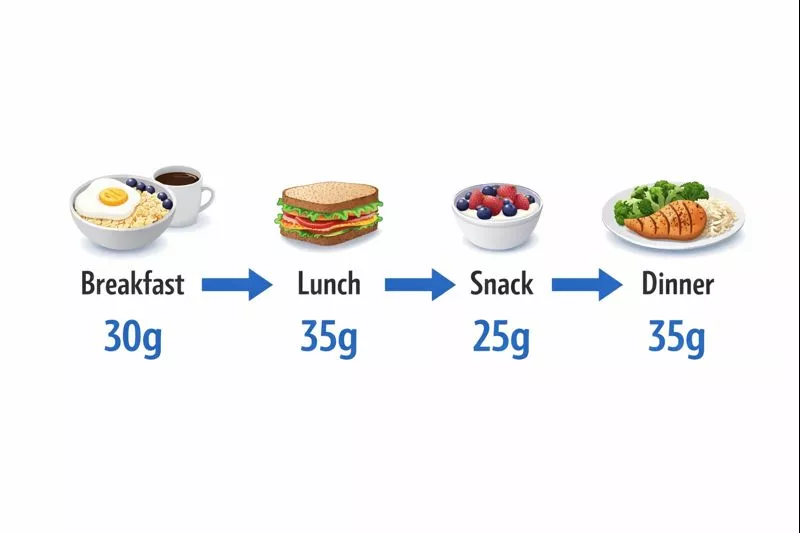
- 25–40 g protein per meal
- 3–5 meals per day
This lines up with research showing MPS responds well to evenly spaced protein doses (again, ISSN summaries are useful here because they cut through noise).
You don’t need perfect spacing. You need not-all-at-once.
If you’re missing breakfast protein, that’s usually the first leak to plug.
4. Protein quality: what’s actually worth eating (Indian-friendly)
Not only do grams of protein matter, but the protein source you are using also matters. Because not all protein is same.
4.1 Non-veg: high return on calories
Which of these food items has the best calorie value, because more calories come from protein, not carbs or fat?
That’s why we call this “lean protein sources“
- Eggs/egg whites – cheap, complete protein
- Chicken breast – boring, effective
- Fish (lean varieties) – protein + micronutrients
- Greek yogurt / high-protein curd – underrated
- Whey – a tool, not a requirement
4.2 Vegetarian: what works vs what people pretend works
Let’s be honest here.
- Paneer – good protein, very calorie-dense
- Tofu/soy chunks – extremely efficient (yes, soy is fine)
- Dal + rice/roti – complementary amino acids across the day
- Milk/curd – useful, not magical
Nuts and seeds: healthy, yes.
But keeping it main protein source? NO! That’s self-deception with extra calories.
4.3 Protein traps (read this twice)
- “Protein biscuits”, fancy shakes, random powders → overpriced nonsense
- Nuts marketed as protein → calorie bombs
- Bars with 8–10 g protein → irrelevant
- If it sounds like marketing, it probably is.
If you are serious about lean bulk that promotes more muscle, not fat, then avoid these protein traps.
5. The muscle-gain diet formula (the part people skip)
Protein alone doesn’t build muscle.
5.1 You need a calorie surplus
A small surplus works best:
- +200 to +300 kcal/day
More than that usually means fat gain, not faster muscle.
If the scale isn’t slowly moving up over weeks, you’re not in a surplus. Period.
5.2 Carbs matter more than you think
Carbs fuel training volume.
Training volume drives growth.
Low-carb bulking works for very few people and sucks for most.
5.3 Fats: useful, but don’t let them crowd protein
Fats help hormones and satiety.
They’re also easy to overeat.
Don’t build a “high protein” diet that’s secretly just high-fat.