
Classic Chelsea Buns
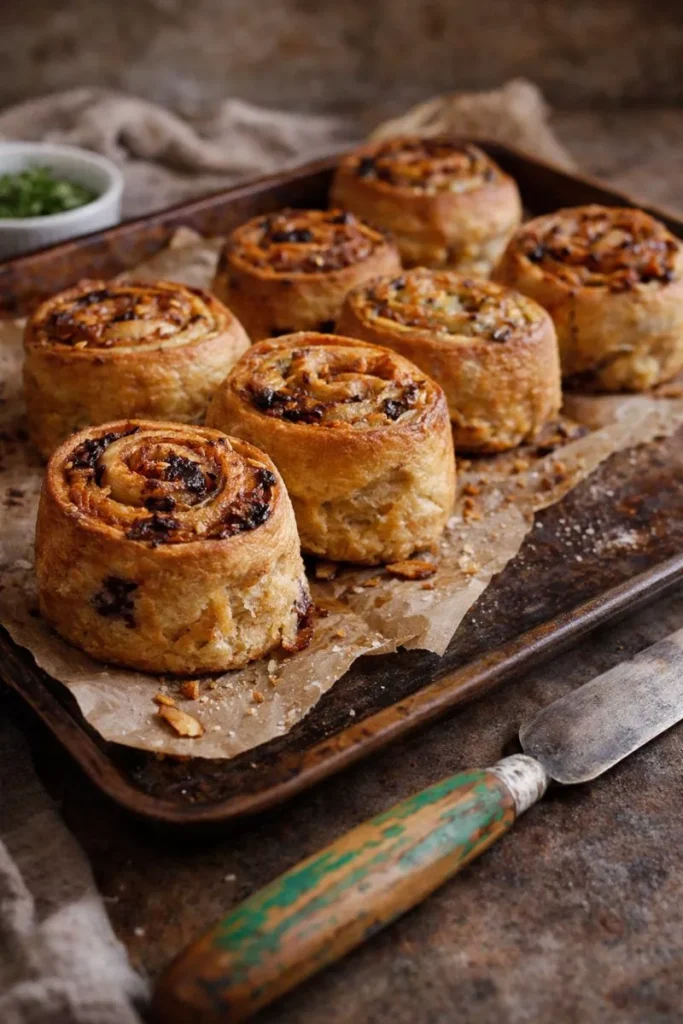
|
Active Time |
Total Time |
Serving |
|
30 Mins |
2 Hour 30 Mins |
10 |
This recipe is for that specific craving that hits when you want something sweet, yeasted, and comforting. Usually whenthe weather’s dull, guests are coming.
This recipe iss’t a quick bake” something. This recipe demands patience and a bit of counter space. But also, it’s not that complicated either. If you can knead dough and can wait for it to rise – “You are fine.”
This recipe can go perfectly with those weekend afternoon teas, or you have someone you wanna show it. Let’s find out what are steps.
Ingredients
- 500g white flour (plain or strong bread flour, both work)
- 1 tsp salt
- 7g fast-action yeast
- 300ml milk
- 40g butter (for the dough)
- 1 egg (medium)
- Dash of vegetable oil (for greasing)
- 25g butter, melted (for filling)
- 75g brown sugar
- 2 tsp ground cinnamon
- 150g dried fruit (currants, raisins, or mixed)
- 2 tbsp milk (for glaze)
- 2 tbsp caster sugar (for glaze)
Method
Step 1
Sift the flour and salt into a large bowl, then make a well in the centre and add the yeast. Keep the yeast away from the salt at first — direct contact can weaken it and slow the rise.
Step 2
Warm the milk and 40g butter in a saucepan until the butter just melts. It should feel lukewarm, not hot. If it’s hot enough to sting your finger, it’s hot enough to kill the yeast. Let it cool if needed.
Step 3
Pour the milk mixture into the flour, add the egg, and mix until it comes together into a soft dough. It should look slightly shaggy but not wet. If it’s sticking heavily to the bowl, dust in a little extra flour — but don’t panic and dump loads in or you’ll end up with dense buns.
Step 4
Turn the dough out onto a floured surface and knead for about 5 minutes. You’re aiming for smooth, elastic dough that springs back when poked. If it tears or feels rough, keep kneading. If it’s sticking to everything, lightly flour your hands — not the dough itself.
Step 5
Lightly oil a bowl, add the dough, and turn it so it’s coated. Cover and leave in a warm place for about 1 hour until doubled in size. If it hasn’t doubled, your room’s too cold — give it more time instead of forcing the next step.
Step 6
Grease a baking tray. Knock the dough back gently to release excess air, then roll it out into a rectangle about 0.5cm thick. If it keeps shrinking, let it rest for 5 minutes — the gluten’s fighting you.
Step 7
Brush the dough evenly with the melted butter, then scatter over the brown sugar, cinnamon, and dried fruit. Spread it properly — bare patches mean bland bites.
Step 8
Roll the dough tightly into a cylinder from the long edge. Slice into ten even pieces and place them cut-side up on the tray, leaving space to expand. Cover and let rise for another 30 minutes. Skip this rise and they’ll bake up tight and heavy.
Step 9
Preheat the oven to 190°C / 375°F / Gas 5. Bake the buns for 20–25 minutes until golden and well-risen. Pale tops mean underbaked centres — give them a few more minutes if needed.
Step 10
While they bake, heat the milk and caster sugar for the glaze until boiling, then simmer for 2–3 minutes until slightly syrupy. Brush over the hot buns as soon as they come out. This is what gives them that sticky bakery finish — don’t skip it.
Before You Mess This Up
- If your dough feels dry, maybe you added too much flour – next time, trust stickiness early on.
- If your buns unravel, you may didn’t rol tightly enough.
- If these get dry the next day, it means you overbaked them. It should be Golden, not dark brown.
Nutritional Breakdown (per bun)
Total servings: 10
- Calories: ~360 kcal
- Protein: ~9 g
- Carbohydrates: ~55 g
- Fat: ~12 g
- Fibre: ~3 g
Recipe and Images credit by this source